
Introduction
Occupational therapy for better daily living skills helps children become more independent. This therapy supports kids in learning important tasks for everyday life. For many families, pediatric occupational therapy can make a big difference. It helps children with challenges in self-care, play, and school activities. As a result, children gain confidence and enjoy daily routines more. In this blog, we will explore how occupational therapy improves daily living skills in children.
What Are Daily Living Skills?
Daily living skills are basic tasks children need to do every day. These skills help them take care of themselves and join in family and school life. For example, daily living skills include:
Because these skills are so important, children need to learn them as they grow. Sometimes, kids need extra help to master these tasks. That is where occupational therapy comes in.
How Occupational Therapy Helps
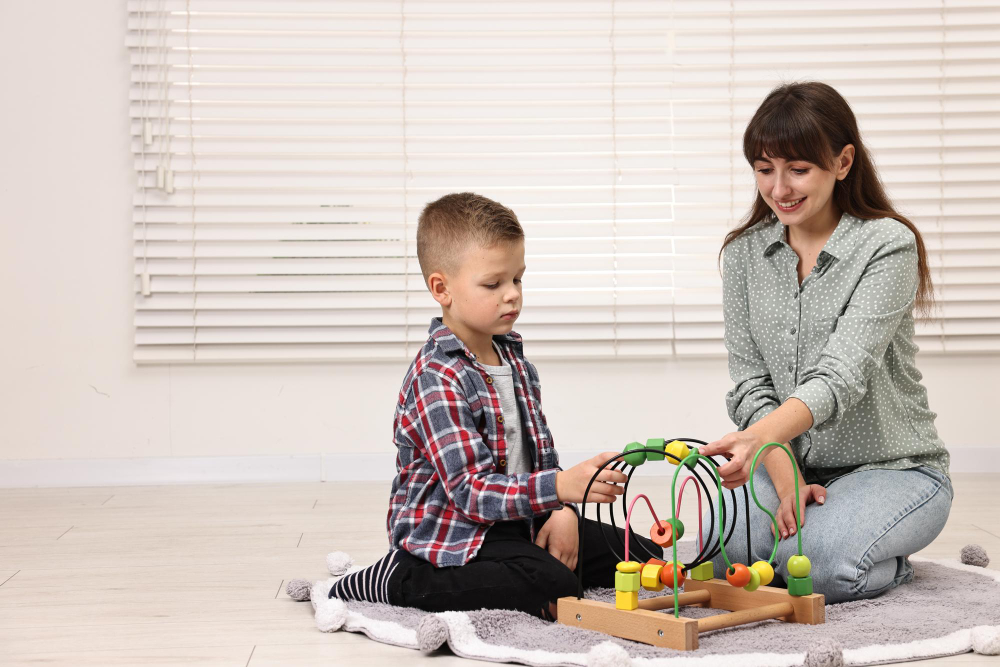
Occupational therapy uses special activities to help children improve daily living skills. Therapists work with each child to build strength, coordination, and focus. For instance, they might use games, crafts, or simple exercises. These activities are fun and match the child’s age and needs. In addition, therapists teach children new ways to do tasks if they find something hard. As a result, children feel more confident and independent.
Common occupational therapy activities for kids include:
Because every child is unique, therapists create a plan just for them. This approach helps children reach their full potential.
Signs a Child May Benefit from Occupational Therapy
Some children struggle with daily living skills more than others. You may notice signs that your child needs extra support. Look for these key indicators:
If you notice these signs, consider talking to a pediatric occupational therapist. Early support can make a big difference.
The Occupational Therapy Process
First, the therapist will assess your child’s skills. They may watch your child do daily tasks or ask questions about routines at home. Next, the therapist sets clear goals with you and your child. These goals focus on improving daily living skills. Then, therapy sessions begin. During each session, your child practices new skills through fun and engaging activities. Therapists also track progress and adjust the plan as needed. Because therapy is a team effort, parents and caregivers are often involved.
Tips for Supporting Daily Living Skills at Home
Parents and caregivers play a key role in helping children grow. Here are some practical tips:
With regular practice, children often improve faster. However, if you have concerns, seek advice from a professional.
Prevention and Early Intervention
Early support can make a meaningful difference in a child’s growth and development. When children receive the right guidance at the right time, they can improve daily living skills, confidence, and learning abilities. Do not delay if you notice developmental concerns.
Consult Sangeeta Garg for personalized guidance on pediatric occupational therapy and your child’s developmental needs.