
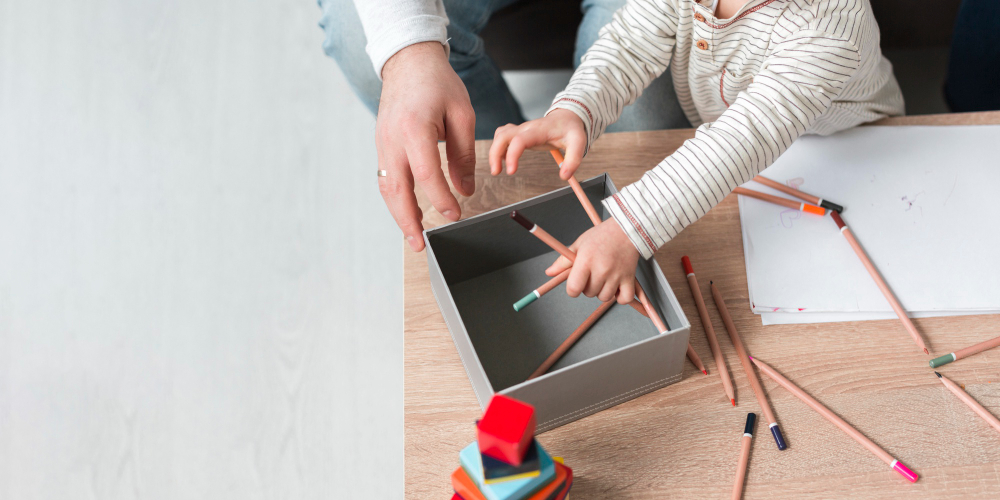
Every day, children use their hands to explore, play, and learn. Hand skills and coordination in children are key for many daily tasks. These skills help kids feed themselves, draw, and play with toys. Because they are so important, parents often want to know how to spot problems and help their child grow. In this blog, we will look at why hand skills matter, what signs to watch for, and how to help children improve.
What Are Hand Skills and Coordination?
Hand skills are the ways children use their hands and fingers to do tasks. For example, picking up small objects or holding a pencil. Coordination means using the hands and eyes together. This is called hand-eye coordination. Fine motor skills in children are part of these abilities. They include small movements, like buttoning a shirt or tying shoes. Gross motor skills, on the other hand, use bigger muscles, like waving or throwing a ball. However, this blog will focus on hand skills and coordination.
Why Are Hand Skills Important for Children?
Hand skills help children do many things each day. For instance, they need these skills to eat, dress, and write. Without good hand coordination, children may struggle in school or at play. In addition, strong hand skills help with:
Because these tasks are part of daily life, improving hand skills at home can help children feel more confident and independent.
Key Signs of Hand Skill and Coordination Challenges
Sometimes, children may have trouble with hand skills or coordination. Early signs can include:
Additionally, some children avoid tasks that need fine motor skills. If you notice these signs, it may be time to talk with a doctor or therapist.
Causes of Hand Skill and Coordination Difficulties
There are many reasons why a child may struggle with hand skills. Sometimes, these challenges are due to:
According to the CDC, early detection of these causes can help children get the support they need.
How Are Hand Skill and Coordination Issues Diagnosed?
When a child shows signs of trouble, doctors or occupational therapists can help. First, they may ask about the child’s health and development. Next, they watch the child do simple tasks, like drawing or stacking blocks. Sometimes, they use special tests to check fine motor skills in children. These tests help find out if a child needs extra help or therapy. Early diagnosis is important because it can lead to better outcomes.
Effective Strategies and Treatments
Many children improve with practice and support. Occupational therapy is a common treatment for hand skill and coordination problems. Therapists use fun games and exercises to build strength and control. For example, they might use:
In some cases, therapy is needed for a longer time. However, most children can make progress with regular practice.
Everyday Tips to Support Hand Skills at Home
Parents can help their child’s hand skills in many simple ways. For instance, you can:
Because practice is key, try to make these activities fun and part of your daily routine. Improving hand skills at home can be easy with these ideas.
Prevention and Early Intervention
Early support can help prevent bigger problems later. For example, regular play with toys that build hand strength can help children develop skills on time. If you notice delays, talk with an expert. Early intervention programs can give children the help they need. This support may include therapy, special exercises, or changes at school. With early help, most children can reach their full potential.
Consult Sangeeta Garg for the right guidance.